 Florence City Guide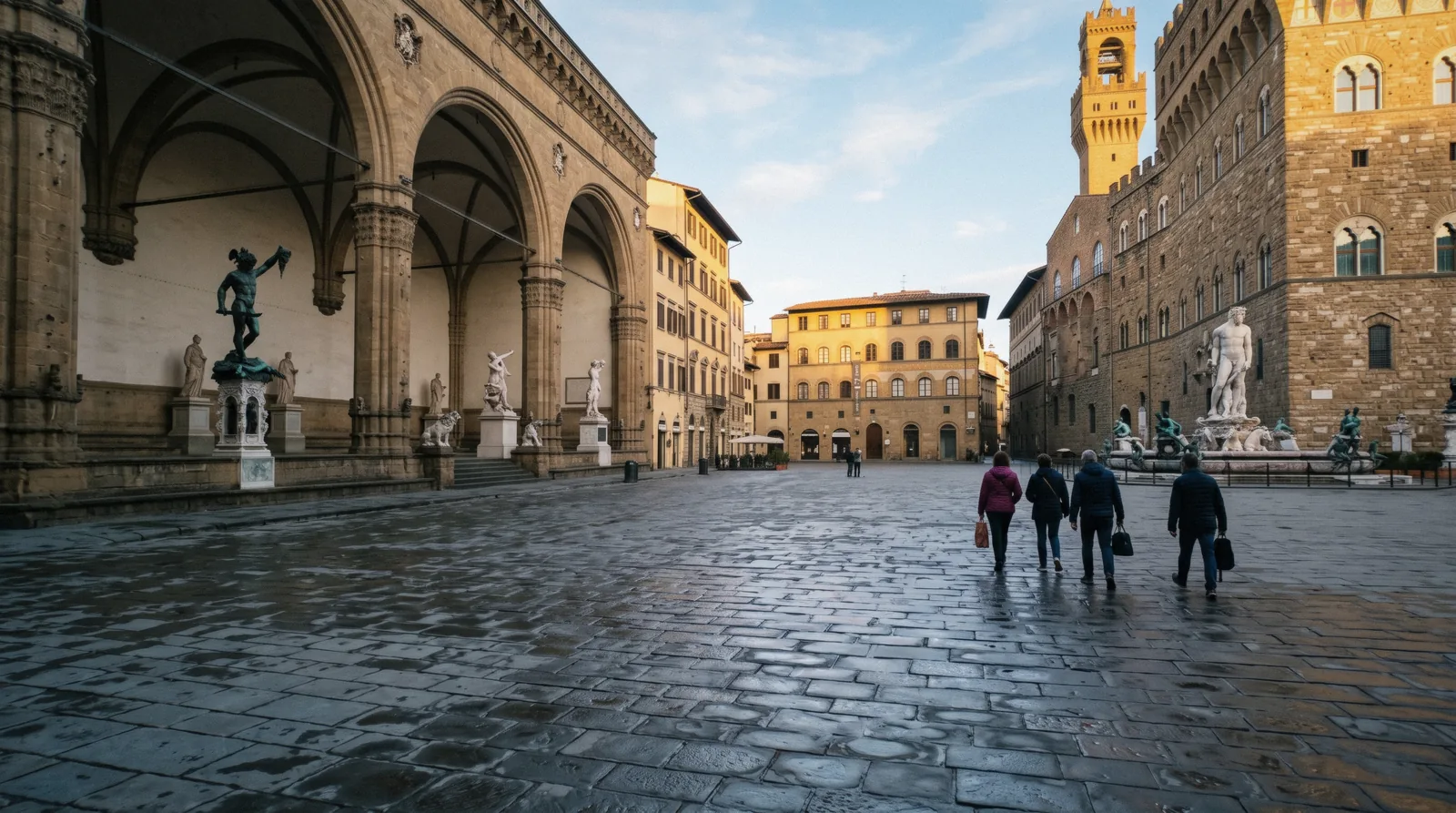
Piazza della Signoria
Piazza della Signoria is the political square of Florence and its only open-air sculpture gallery: Ammannati's Neptune, Giambologna's Cosimo I on horseback, a full-size David copy at the palace door and Cellini's Perseus under the arches of the Loggia dei Lanzi. None of it costs anything. This page names every statue, says which are copies and where the originals went, and sorts out what is ticketed behind the walls. It is the free centre of the city, and the point every walk through what to see in Florence passes through.
Quick answer A free open-air sculpture gallery — what each statue is, and what costs money round it
Piazza della Signoria is free and always open. It is the L-shaped square in front of the town hall, and it holds Ammannati's Fountain of Neptune of 1575, Giambologna's equestrian Cosimo I of 1594, Bandinelli's Hercules and Cacus of 1533 and a full-size copy of Michelangelo's David at the palace door.
Key takeaways
- Every marble outdoors here is a copy or a work made for the square; the David original is at the Accademia, Donatello's Marzocco lion is in the Bargello and his Judith and Holofernes is inside the palace — the statues one by one says which is which
- The Loggia dei Lanzi is a roofed sculpture gallery open to the street with no ticket: Cellini's Perseus with the Head of Medusa of 1554 and Giambologna's Abduction of the Sabine Women of 1583 stand under its arches
- The paid things are behind the doors — Palazzo Vecchio museum and the Arnolfo tower and the Uffizi one minute south — and a 90-minute highlights walk is the cheapest guided way to have the square explained
Key facts
Opening hours
| The square and the Loggia dei Lanzi | Always open |
|---|---|
| Palazzo Vecchio museum, on the square | 09:00–19:00 |
Closed Never — the square is public space
Admission
- Adult
- Free (square and Loggia dei Lanzi)
- Reduced
- No ticket exists
- Free
- Everyone, at any hour. The museum behind the palace door is a separate ticket, from €32 (about $37) with audioguide
Planning it
- Time needed
- Not stated; our routing: 30 minutes for the statues and the Loggia, half a day if you add the palace and the Uffizi
- Book ahead
- Optional — walk-up usually fine
- Address
- Piazza della Signoria, 50122 Firenze
Guides and tickets on the square
Everything on the open square costs nothing, at any hour, all year. These are our listings for having it explained, or for going through the palace door, with prices as the listings show them.
Nothing here needs a ticket, so the only question is whether you want a guide on the square.
| Option | Price | Includes | Cancel | Book |
|---|---|---|---|---|
| Medici storytelling walk, 2 hAnyone who wants the statues and the Medici story for the price of a lunch | From €12 | Guide, no museum entries; English or Spanish | Free up to 24 hours before | Check Availability |
| Highlights walking tour, 1.5 hA first morning: the cheapest orientation walk on this site | From €17 | Guide across Duomo, this square and Ponte Vecchio | Free up to 24 hours before | Check Availability |
| Palazzo Vecchio ticket + audioguideVisitors going inside the palace as well as standing in front of it | From €32 | The museum behind the palace door; tower optional | Free up to 24 hours before | Check Availability |
Neither walking tour includes a museum entry — they are outdoor walks, which on this square is most of what there is to see. Card prices move with the date; the checkout figure is the one you pay. Figures current in Q3 2026.
Free on the square, ticketed behind the doors
What costs money within two minutes of the Neptune fountain, with hours from cultura.comune.fi.it, uffizi.it and bargellomusei.it and entry prices from our listings. The Uffizi is the one that sells out. Nothing else here normally does.
| Place | Entry | Hours | Closed | Book ahead |
|---|---|---|---|---|
| Square and Loggia dei Lanzi | Free | Always open | Never | No |
| Palazzo Vecchio museum | Ticket + audioguide from €32 | 09:00–19:00, Thursday to 14:00 | None fixed | Advisable |
| Torre di Arnolfo | Option on the museum ticket | 09:00–17:00, Thursday to 14:00 | Shut in rain | Advisable |
| Uffizi Gallery | Reserved entry from €16 | 08:15–18:30 | Mondays | Yes, weeks ahead |
| Bargello | Reserved entry from €19 | 08:15–18:50 | Mondays | Advisable |
Entry prices are in euro, converted from the listed figure. The square and the Loggia need no ticket at all.
Walks and tickets that start on this square
Six listings we track that either begin here or open one of the doors around the square, with platform prices in euro, converted from the listed figure.
 from €12
Top rated
from €12
Top rated
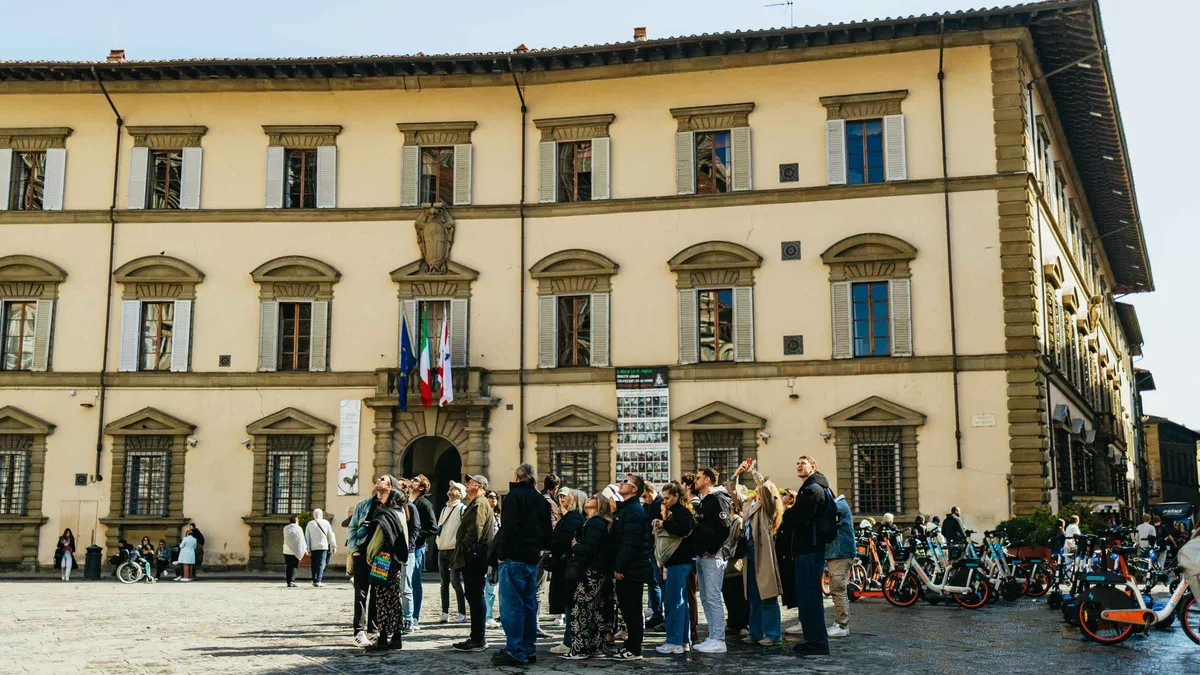
Florence: Renaissance and Medici Tales Guided Walking Tour
listed at $13.90
Two-hour storytelling walk on the Medici and the Renaissance in English or Spanish, ending with local eating and shopping tips. Cheapest tour here.
Check Availability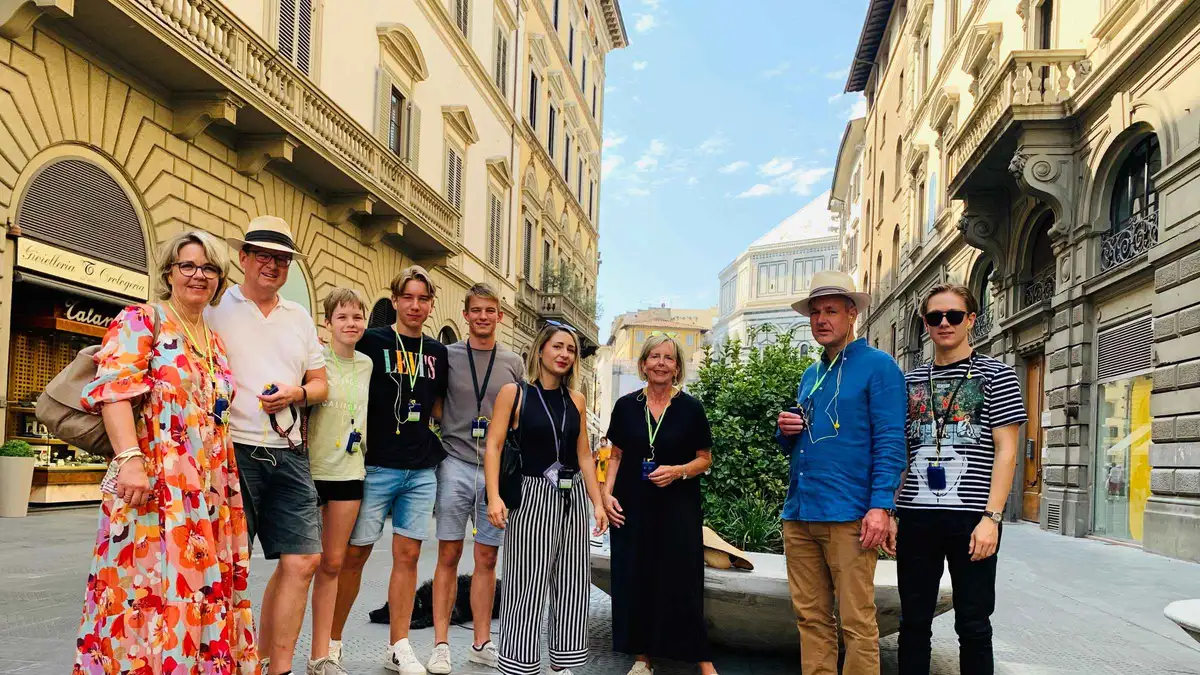 from €17
Florence: Highlights Walking Tour with Expert Guide
listed at $20.27
90-minute small-group highlights walk (Duomo, Piazza della Signoria, Ponte Vecchio) in 8 languages, with free luggage storage. Runs rain or shine.
Check Availability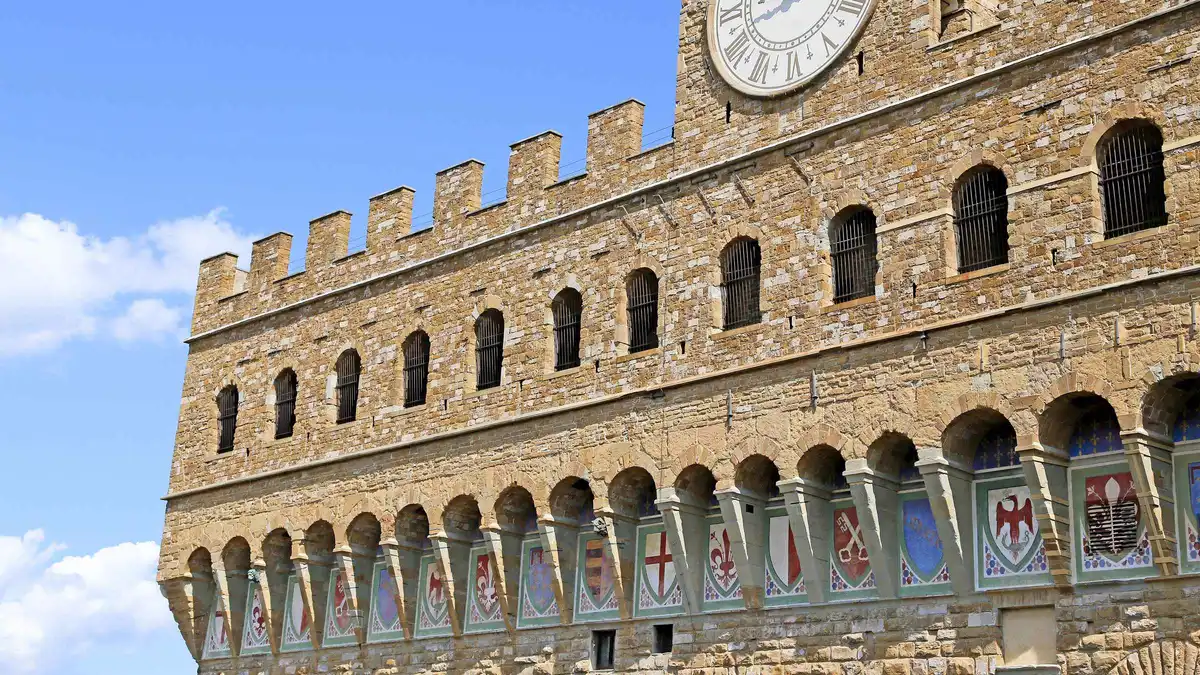 from €32
Florence: Palazzo Vecchio Entrance Ticket & Audioguide
listed at $37.21
Palazzo Vecchio skip-the-ticket-line entry with an audioguide or 7-inch multimedia guide in 8 languages; Arnolfo's Tower as an option.
Check Availability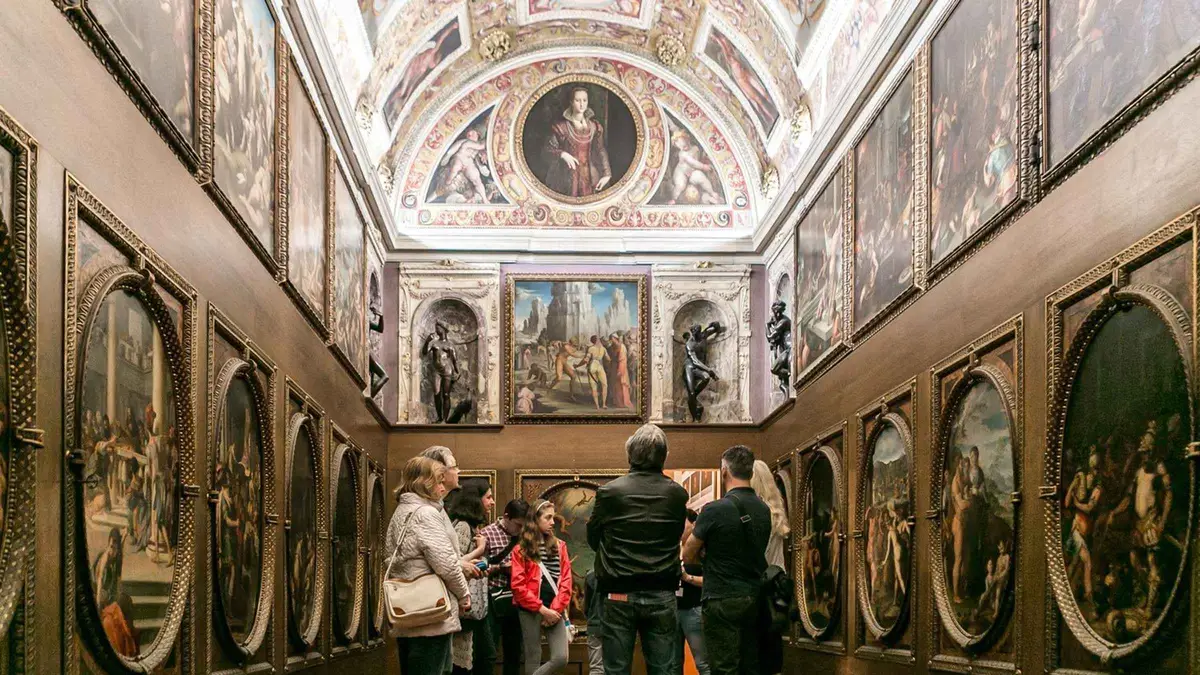 from €31
Palazzo Vecchio: Skip-the-Line Entry and Secret Passage Tour
listed at $36.70
75-minute secret-passages tour run by the palace's own MUS.E association, limited to 4 people: hidden Medici rooms and the attic above the Salone.
Check Availability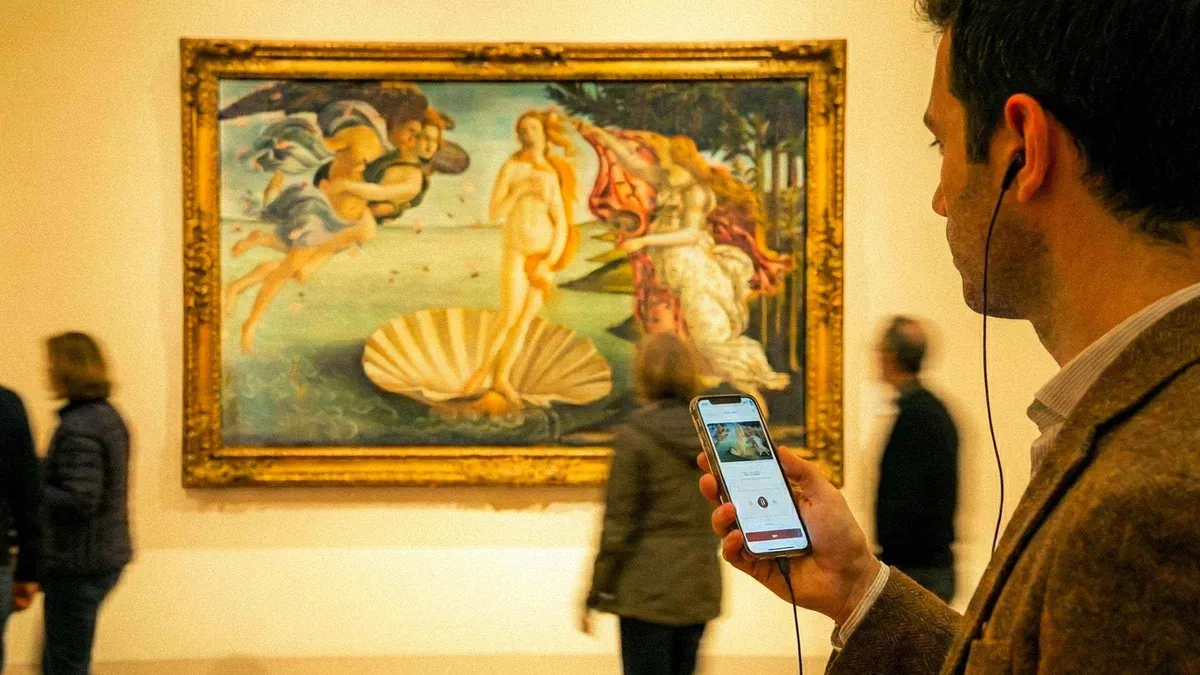 from €16
Florence: Uffizi Gallery Reserved Entry Ticket & Audioguide
listed at $18.53
Reserved timed Uffizi ticket with a downloadable audioguide app in 6 languages and unlimited time inside. Nominative ticket — bring matching ID.
Check Availability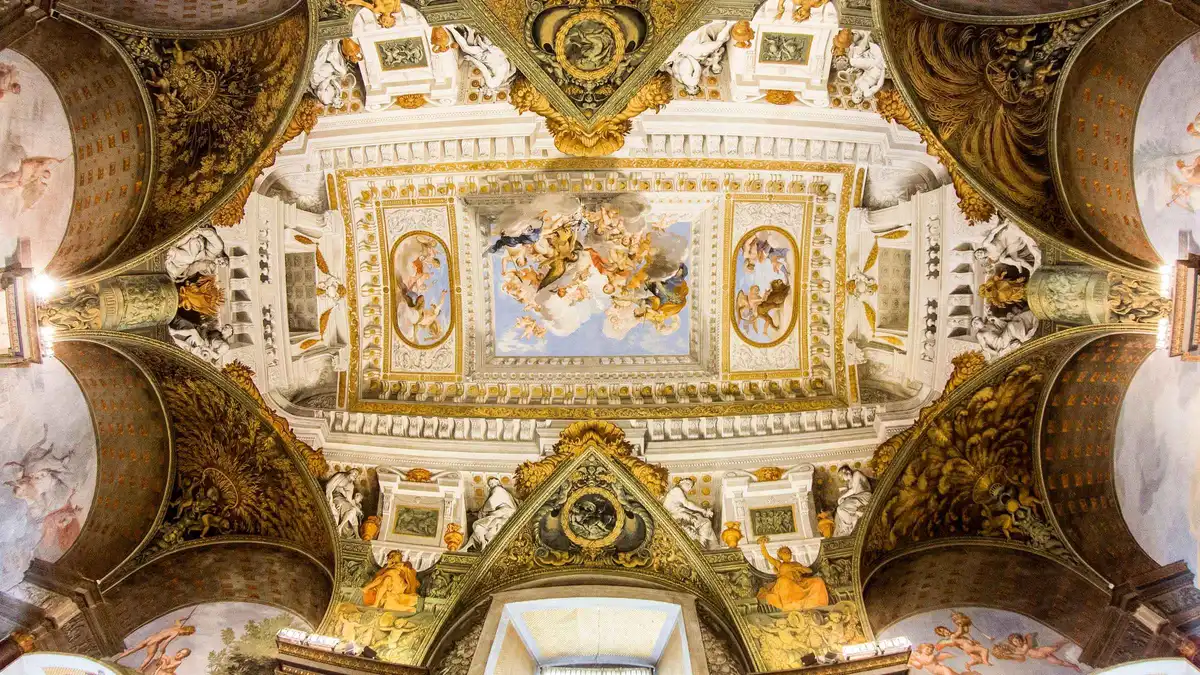 from €19
Florence: Reserved Entry Ticket to Bargello Museum
listed at $21.72
Reserved timed Bargello ticket that covers the temporary exhibitions, with a Florence audio app for Donatello's David and the Michelangelo room.
Check AvailabilityPrices, ratings and details are the platform's own. Dollar figures are the listed prices. The platform bills in your account's currency.
What it is: the political square since 1268
This is not a cathedral square or a market square. It is where the Republic met, where its enemies were executed and where every regime since has put its own statue, which is why the sculpture here reads as an argument rather than a collection.
Roman Florentia, under the paving
The square was already a central space in the Roman town of Florentia, surrounded by a theatre, Roman baths and a workshop for dyeing textiles. Later came a church dedicated to San Romolo, a loggia, and an enormous fifth-century basilica. All of it was found beneath the paving when the square was repaved in the 1980s, along with the remains of a Neolithic site.
Some of the Roman theatre survives under Palazzo Vecchio itself, and it is visitable — guided only, at 12:00 and 12:45 on Saturdays and Sundays, fifteen people at a time, €5 (about $6). It is the least-booked thing on the square.
1268: the square is cleared by demolition
The open space took its shape from 1268, when the victorious Guelphs pulled down the houses of the Ghibellines who had lost. It stayed untidy and full of holes for over a century and was paved for the first time in 1385.
The palace went up from 1299 on the ruins of Uberti family property, deliberately sited so those houses could never be rebuilt. That is why the square is L-shaped rather than rectangular, and why the palace tower is off-centre — the plan was constrained by whose ground the commune was prepared to build on.
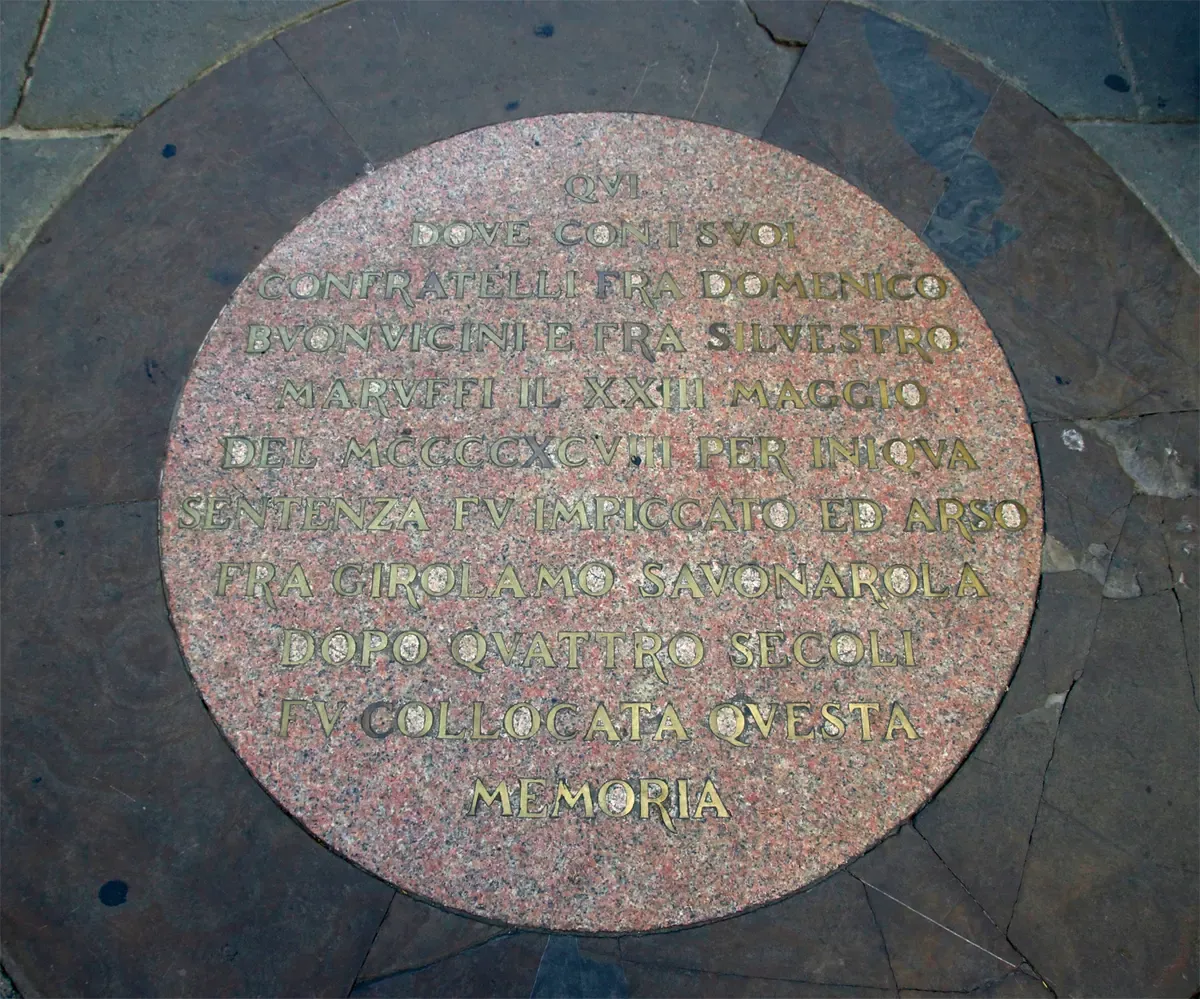
Photo: Jebulon, CC BY-SA 3.0, via Wikimedia Commons (https://creativecommons.org/licenses/by-sa/3.0)
1497 and 1498: the bonfire, then the fire
In 1497 Girolamo Savonarola and his followers held the Bonfire of the Vanities here, burning books, gaming tables, fine dresses and the work of poets in a pile on the paving. The following year the city turned on him: a round marble plaque in front of the Fountain of Neptune marks the exact spot where Savonarola was hanged and burned on 23 May 1498.
The plaque is flat in the ground, about two metres across, and most people walk over it without noticing. Florentines still lay flowers on it in May.
UNESCO, 1982
The historic centre of Florence has been a UNESCO World Heritage Site since 1982, and this square is the anchor of it — the point where the civic, artistic and commercial city meet in one open space.
What that protection means in practice is visible: the square is pedestrian, the paving is maintained as a monument rather than a road surface, and the buildings around it cannot be altered above the ground floor. The nineteenth-century block on the north side is the exception that proves it, and there is a story about that below.
The statues, one by one
Read clockwise from the palace door. Almost everything outdoors is a copy, which is not a disappointment once you know where the originals are — three of them are within a five-minute walk, on tickets this page links to.
Michelangelo's David — a copy, over 5 metres tall
The David at the left of the palace entrance is a full-size copy standing where Michelangelo's original stood from 1504. The original, over five metres high, is in the Galleria dell'Accademia on Via Ricasoli, a twelve-minute walk north.
The copy is worth two minutes of your attention rather than none: it is outdoors, at the height and in the light the sculpture was carved for, and you can walk right up to it — neither of which is true of the original behind its barrier.
Hercules and Cacus — Baccio Bandinelli, 1533
To the right of the palace door stands Bandinelli's Hercules and Cacus, unveiled in 1533 and installed as the Medici answer to the Republic's David on the other side. It has been the most abused statue in Florence since the day it appeared; Cellini, who had a professional interest, compared the muscles to a sack of melons.
Stand between the two and the point of the pairing becomes obvious. One is a slim republican adolescent about to act; the other is bulk that has already won. The square is the argument.
Il Marzocco and Judith and Holofernes — both copies
The Marzocco, Donatello's lion with a paw on the Florentine lily, sits on the ramp in front of the palace. It is a copy; the original is in the Bargello, three minutes away, where a reserved ticket from €19 (about $22) also buys you Donatello's David and Michelangelo's Bacchus.
Donatello's bronze Judith and Holofernes stands nearby, also a copy. Its original is odder in its travels: it stood in the Loggia dei Lanzi as late as the end of the nineteenth century and is now indoors in the Sala dei Gigli of Palazzo Vecchio, on the standard museum ticket.
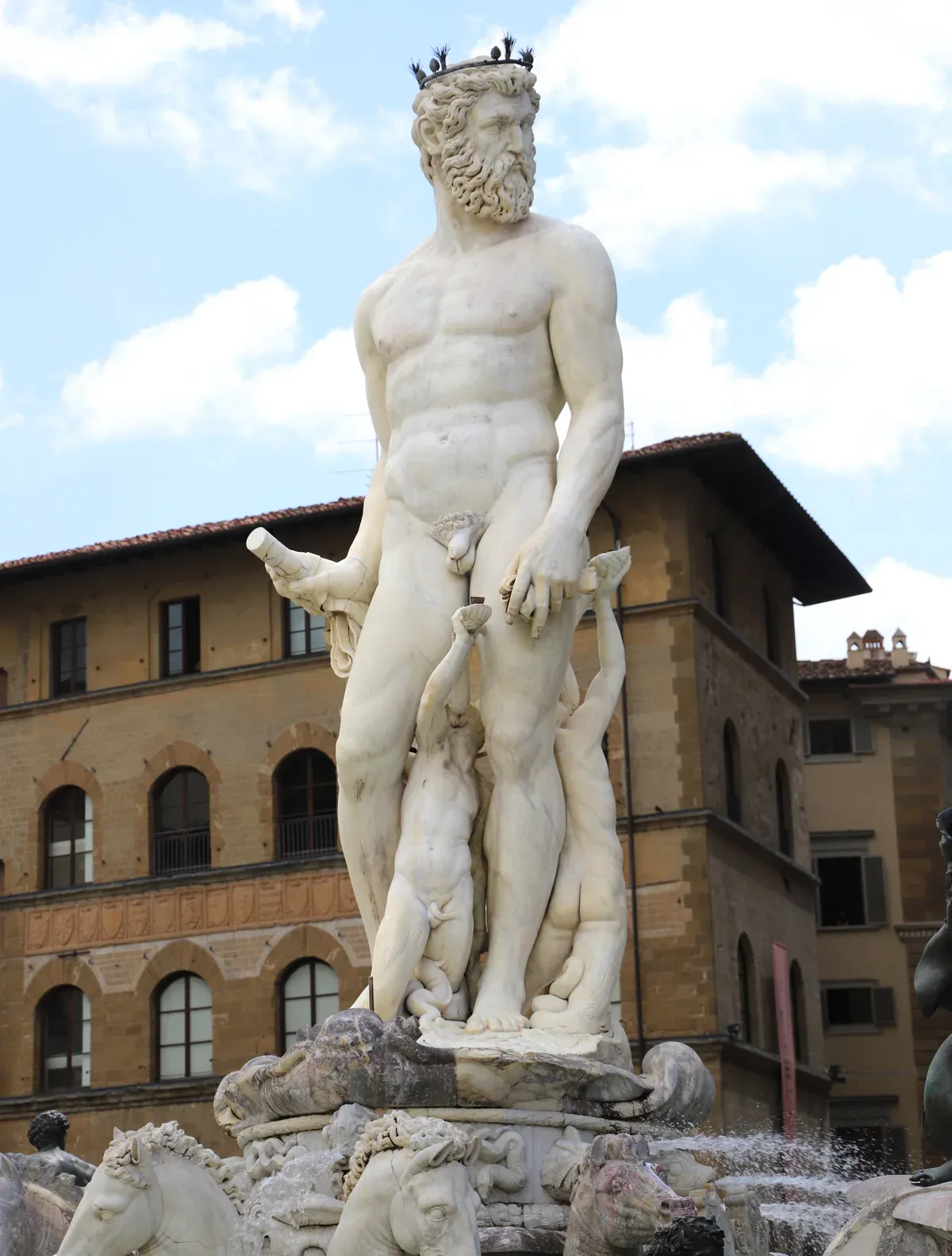
Photo: Francesco Bini, CC BY-SA 4.0, via Wikimedia Commons (https://creativecommons.org/licenses/by-sa/4.0)
The Fountain of Neptune — Bartolomeo Ammannati, 1575
The great white Neptune on the north-west corner is Ammannati's, of 1575, and it marks the point where Cosimo I's new aqueduct delivered water to the city. Its twin argument stands in the Boboli Gardens across the river — Stoldo Lorenzi's Neptune of 1565–1568, made at almost the same moment and for the same reason.
Florence has never liked this one either; the nickname for the central figure translates roughly as the big white thing. Look instead at the bronze sea creatures around the basin, which are the part sculptors have always admired. The Savonarola plaque is in the paving directly in front of it.
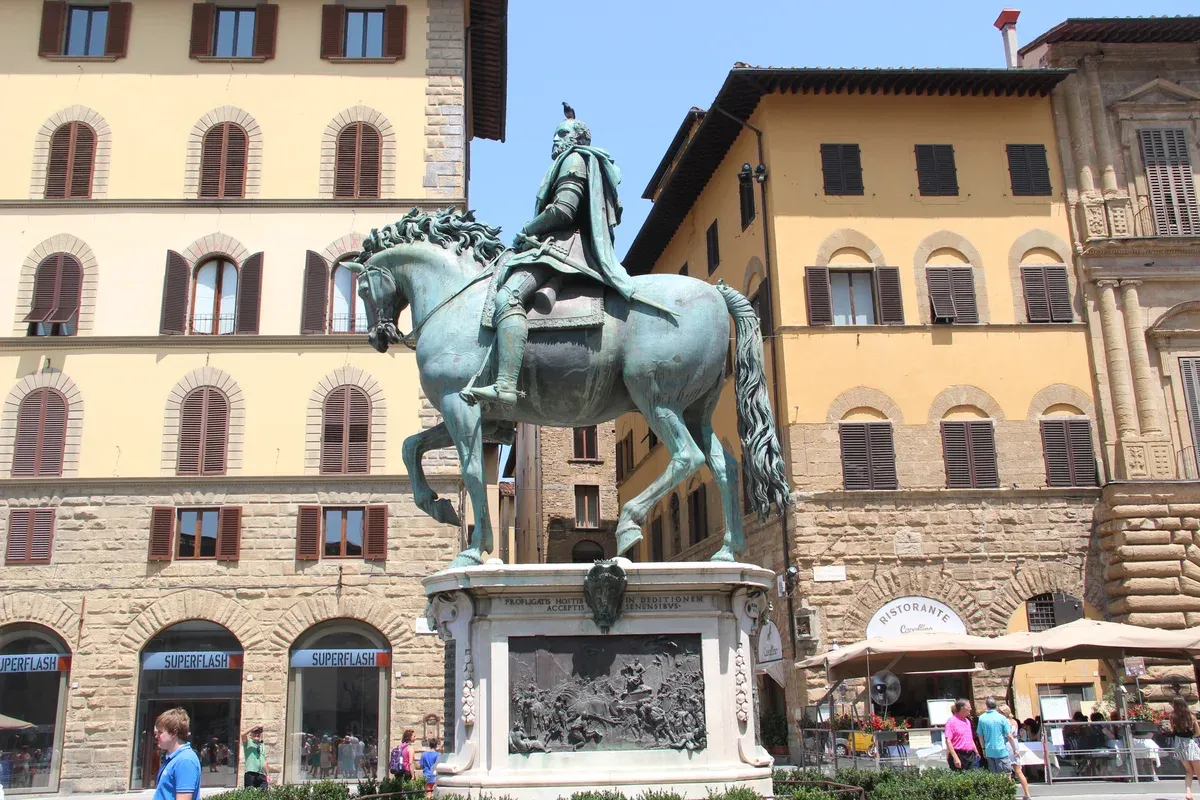
Photo: Björn S..., CC BY-SA 2.0, via Wikimedia Commons (https://creativecommons.org/licenses/by-sa/2.0)
Equestrian monument to Cosimo I — Giambologna, 1594
The bronze horseman in the middle of the northern arm of the square is Giambologna's Cosimo I, finished in 1594, honouring the duke who moved into the palace behind it in 1540 and later crossed the river to Pitti Palace.
It is the only major work on the square that is an original standing in its intended place. The three reliefs on the base show Cosimo's coronation and the campaigns that got him there.
The Medici lions on the Loggia steps
The two lions flanking the Loggia dei Lanzi steps have different ages. One is a second-century Roman lion in relief that the little-known Giovanni di Scherano Fancelli carved free of its background and reworked; its pendant was made by Flaminio Vacca from 1598.
They are the easiest thing on the square to sit near, which is why every photograph of the Loggia has someone's rucksack in it. Before 09:00 you get the steps to yourself.
Loggia dei Lanzi: an open-air gallery with no ticket
Three wide arches, one bay deep, resting on clustered columns with Corinthian capitals. It is effectively a sculpture museum whose front wall was never built — free, roofed, and open whenever the square is.
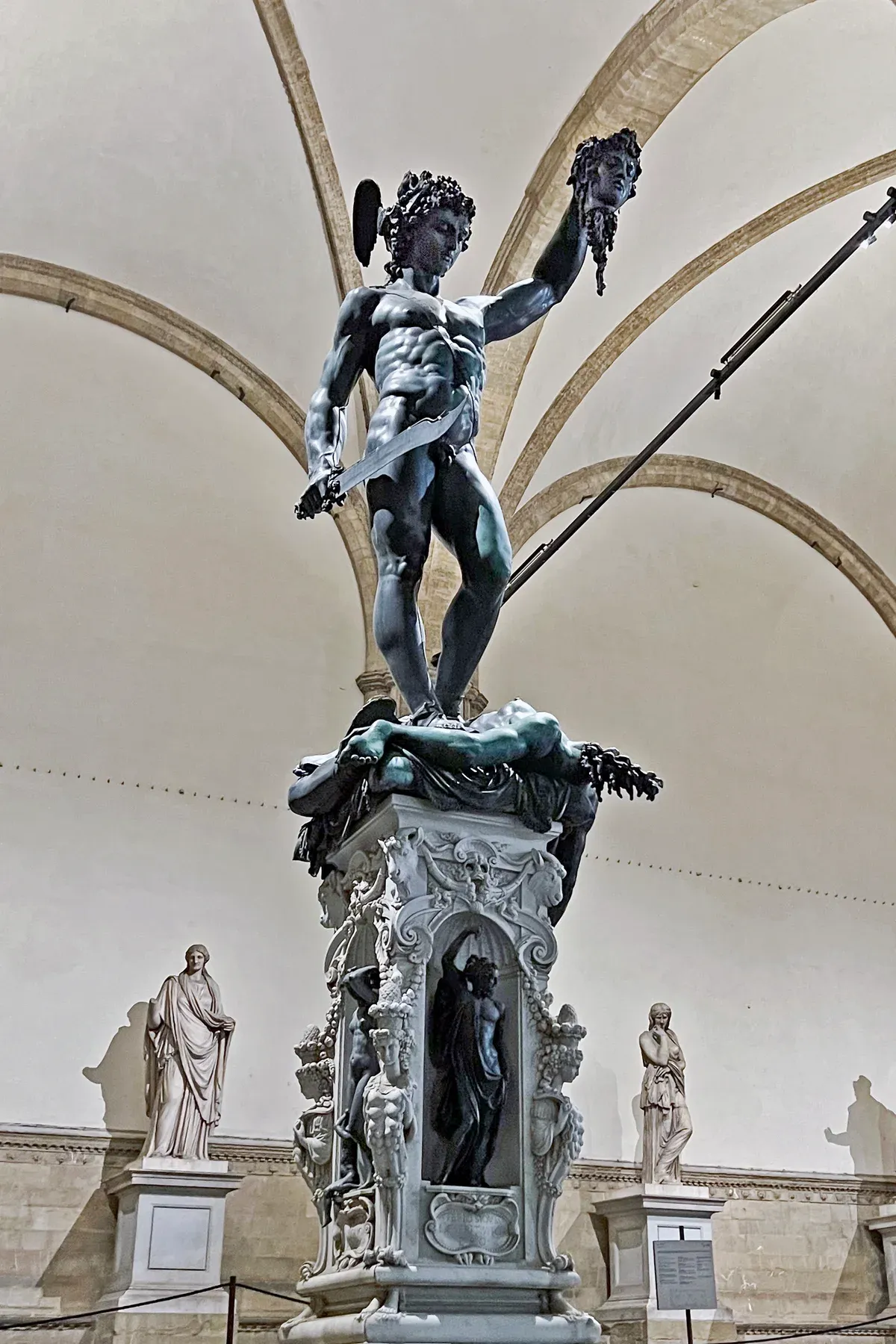
Photo: Mariordo, CC BY-SA 4.0, via Wikimedia Commons (https://creativecommons.org/licenses/by-sa/4.0)
Perseus with the Head of Medusa — Benvenuto Cellini, 1554
Cellini's bronze Perseus of 1554 stands on the left-hand corner facing the square, holding up Medusa's head with her body beneath his feet. It was cast in a single pour that nearly failed — Cellini's own account has him throwing his household pewter into the furnace to make up the metal — and it was commissioned as one more piece of Medici argument, aimed at the David a few metres away.
Walk behind it. The back of the helmet carries a self-portrait of Cellini worked into the design, visible only from that angle, and almost nobody looks.
The Abduction of the Sabine Women — Giambologna, 1583
Giambologna's three-figure marble group of 1583 is the other work people come for: a single block carved so that there is no back to it and no single best viewpoint. It is the standard textbook example of the Mannerist figura serpentinata, and the correct way to look at it is to walk a full circle.
The frieze under it, and the relief version of the same scene on the base, are Giambologna's too.
Polyxena, Pasquino and Hercules and Nessus
Under the same roof are Pio Fedi's Rape of Polyxena, a nineteenth-century group that holds its own against the sixteenth-century company; the Pasquino group, a much-restored Hellenistic fragment of Menelaus carrying the body of Patroclus; and Giambologna's Hercules and Nessus. Along the back wall stands a row of Roman female figures, excavated and installed here as antiquities.
None of it is behind glass, and none of it is ticketed. On a hot afternoon the Loggia is also the only shade on the square, which is a practical reason to plan your visit round it.
The arches Michelangelo wanted to keep going
The wide arches were so admired that Michelangelo is said to have proposed continuing them all the way round the square. The claim is repeated everywhere and carries a citation-needed flag on Wikipedia, so treat it as a Florentine story rather than a documented fact — but stand under the third arch and look at the severe fortress front of Palazzo Vecchio opposite, and you can see the argument he would have been making.
The name comes later: the Lanzi were the Landsknecht guards of Cosimo I, quartered here.
The buildings around the square
The crenellated fortress on the south-east side is Palazzo Vecchio, the town hall since 1299 and still the seat of the City Council, with a museum, a tower and a secret-passages route behind the door. It is the one building here you pay to enter, and the guide to it has the prices and the hours.
The Tribunale della Mercanzia of 1359, on the north side, is where lawyers once judged disputes between merchants; the porch was painted by Taddeo Gaddi, Antonio del Pollaiuolo and Sandro Botticelli, and those paintings are now in the Uffizi's stores. Beside it, Palazzo Uguccioni of 1550 carries a façade traditionally attributed to Raphael, who died thirty years before it was built — a good example of how much attribution in this city is wishful.
The Palazzo delle Assicurazioni Generali, facing the palace, went up in 1871 in Neo-Renaissance style and is one of very few purpose-built commercial buildings in the historic centre. On its ground floor is the historic Caffè Rivoire, which is where the square's most expensive coffee is served and where you get the best seated view of the Loggia.
Off the south side, past the palace, the long courtyard of the Uffizi opens towards the Arno. That is the busiest doorway in Florence and the one thing near this square you should book weeks ahead.
- Palazzo Vecchio, 1299 — the only ticketed door on the square
- Tribunale della Mercanzia, 1359 — the merchants' court
- Palazzo Uguccioni, 1550 — façade attributed to a painter who was already dead
- Palazzo delle Assicurazioni Generali, 1871 — Caffè Rivoire on the ground floor
- The Uffizi courtyard opens off the south side
How to get there, and when to come
The square is at Piazza della Signoria, 50122 Firenze, and it is pedestrian: you arrive on foot whatever else you had in mind. From the Duomo it is five minutes straight down Via dei Calzaiuoli, the pedestrian shopping street, and that approach is the good one — the square opens out in front of you with the tower already above the roofline. From Santa Maria Novella station allow fifteen minutes on the same line, via Via de' Panzani and Via de' Cerretani.
From 1 August 2026 an urban bus or tram ticket costs €2 (about $2.30) and lasts 90 minutes. You buy it in the app, at a tobacconist or with contactless on board. It is useful for reaching the edge of the centre, not for the last stretch.
Driving in is not possible in practice: the historic centre is a ZTL, closed to unauthorised cars Monday to Friday 07:30–20:00 and Saturday 07:30–16:00, with camera gates reading plates. On timing: before 09:00 the square belongs to delivery trolleys and people crossing it to work, and the Loggia is empty. Between 10:00 and 13:00 the space in front of the palace door fills with coach groups and the David copy is unphotographable.
After dark the statues are floodlit and the square is one of the few places in the centre that is better at 22:00 than at noon — and it costs the same then, which is nothing.
- 5 minutes on foot from the Duomo down Via dei Calzaiuoli
- 15 minutes from Santa Maria Novella station
- 1 minute from the Uffizi courtyard; 3 minutes from Ponte Vecchio
- Urban bus or tram €2 (about $2.30), valid 90 minutes
- Quietest before 09:00 and after 21:00; busiest 10:00–13:00
Piazza della Signoria map: statues and doors
Where each of the main works stands on the square, and the ticketed doors within three minutes of it.
Next stop from Piazza della Signoria
Walk times are our estimates from the GPS distances. Two of the three below hold originals of statues you have just looked at in copy.
Palazzo Vecchio
The door on the square. Museum ticket with audioguide from €32 (about $37), tower as an option. Thursday closes at 14:00 and the tower shuts in rain — the Palazzo Vecchio guide has the rooms and the ticket maths.
1 min walkUffizi Gallery
Off the south side, down the long courtyard. Tuesday to Sunday 08:15–18:30 on a timed ticket — the Uffizi guide covers the doors, the rooms and the quiet slots.
1 min walkBargello
Via del Proconsolo 4, closed Mondays. Donatello's David and the original Marzocco whose copy sits on the ramp outside — see the Bargello guide.
3 min walkPiazza della Signoria questions
Do I need a ticket for Piazza della Signoria?
No. The square and the Loggia dei Lanzi are public open space with no gate, no ticket and no closing time, day or night. The tickets start at the doors around it. For the museum inside Palazzo Vecchio, a reserved ticket with audioguide from €32 (about $37) fixes your slot.
Is the David in Piazza della Signoria the real one?
No, it is a full-size copy standing where Michelangelo's original stood from 1504. The original is in the Galleria dell'Accademia, twelve minutes north on Via Ricasoli, where entry is timed — the reserved David ticket is the usual way in.
What is the most famous statue on Piazza della Signoria?
The David copy at the palace door draws the crowd, but the work art historians come for is Cellini's Perseus with the Head of Medusa of 1554, under the Loggia dei Lanzi and free to walk around. Giambologna's Abduction of the Sabine Women of 1583 stands under the same roof — the statues one by one covers the rest.
Can I go inside the Loggia dei Lanzi?
Yes. It is open to the street on three sides, has no ticket and no opening hours, and you can walk right up to the sculpture. It is also the only shade on the square, which matters between June and September. A 90-minute highlights walk stops here as a matter of course.
Where was Savonarola burned in Piazza della Signoria?
On the spot marked by the round marble plaque set into the paving in front of the Fountain of Neptune, where he was hanged and burned on 23 May 1498 — a year after he had staged the Bonfire of the Vanities on the same square. The tower cell he was held in is part of Palazzo Vecchio.
Which statues on the square are copies?
Michelangelo's David, Donatello's Marzocco lion and Donatello's Judith and Holofernes are all copies. The Marzocco original is in the Bargello, the Judith is indoors in the Sala dei Gigli of Palazzo Vecchio, and the David is at the Accademia. Ammannati's Neptune, Bandinelli's Hercules and Cacus and Giambologna's Cosimo I are originals in place.
Is Piazza della Signoria open at night?
Yes, and it is better then. The square never closes, the statues are floodlit and the coach groups have gone; the Palazzo Vecchio museum behind it runs until 19:00, so an early-evening ticket followed by the lit square is a good sequence. The two-hour Medici walk has late departures on some dates.
How long should I spend on Piazza della Signoria?
Thirty minutes covers the statues and the Loggia at a proper pace, which is more than most visitors give it. Allow half a day if you add the palace museum and the Uffizi off the south side — the three-day itinerary builds a morning round exactly that pairing.
Where the square fits in a Florence day
Come twice. Once early, before 09:00, when you can stand in front of the Perseus without anybody's elbow in the frame, and once after dark, when the floodlighting does the job a museum's lighting designer gets paid for. Both visits are free, which is not something you can say about much else in the centre.
In between, this is the square that decides your day: Palazzo Vecchio through the door in front of you and open on Mondays, the Uffizi one minute south and shut on them, Ponte Vecchio three minutes west on the way to the Oltrarno. The full attractions list ranks everything else in the city by time needed, and the three-day itinerary shows where this square falls in a proper trip.
Everything else on this site starts from where to stay in Florence, which is where the hubs for tickets, neighbourhoods and day trips branch off.
The square on video
Three films of the square itself, including a drone pass that shows the L-shape the paving makes. Video ids come from our own verified list.
Explore Piazza della Signoria, Florence, Italy
A walk round the statues in roughly the clockwise order this page uses, with the Loggia dei Lanzi at the end.
Video: ConnollyCovePiazza della Signoria: A Guide to Florence's Historic Square
A short guide to what each monument is, useful if you want the names straight before you arrive.
Video: tripsoraPiazza della Signoria and Palazzo Vecchio by drone
An aerial pass showing how the square wraps round the palace and where the Uffizi courtyard opens off it.
Video: Eric Clark's Travel VideosPrices, hours and terms are set by the venue or operator and confirmed at checkout.
We may earn a commission if you book through one of our links, at no extra cost to you. Full affiliate disclosure